One-stop project workflow. Design, production, QC, and packaging support in one B2B path.

Watch Design, Production and Packaging in One Workflow

If you want one manufacturer to coordinate design refinement, production, QC, and packaging, the goal is not only convenience. It is cleaner project control from the first brief through shipment release.

Reduce handoff risk between suppliers
Keep packaging tied to sample and QC decisions
Better fit for first collections and repeat orders

Why one-stop workflow matters

In many watch projects, the hardest part is not any single production step. It is how design refinement, sample review, QC preparation, packaging, and shipment timing all connect once the project is live.

A one-stop workflow helps reduce handoff gaps between design, production, and final presentation so buyers can evaluate the project as one system instead of chasing multiple disconnected suppliers.

This page is meant for buyers who want the watch, the packaging, and the production path to stay aligned from the start, especially on first collections where coordination risk is usually higher.

Fit check

Good fit if you need:
One supplier path for sample review, production, QC, and packaging instead of managing disconnected handoffs.
Not the best fit if you need:
Retail quantities, one-off buying, or a project where packaging is not part of the B2B delivery plan.

What a one-stop workflow usually covers

Design refinement

Translate references, target style, and movement direction into a manufacturable brief.

Production and sampling

Align visible product details, sample comments, and approval points before production.

QC and testing

Keep inspection, water resistance, and release checkpoints visible before shipment.

Packaging and outbound prep

Coordinate boxes, manuals, inserts, labels, and packing timing within the same workflow.

Workflow evidence from our factory

These images help show how assembly, QC, and packaging sit inside one connected release path instead of three disconnected handoffs.
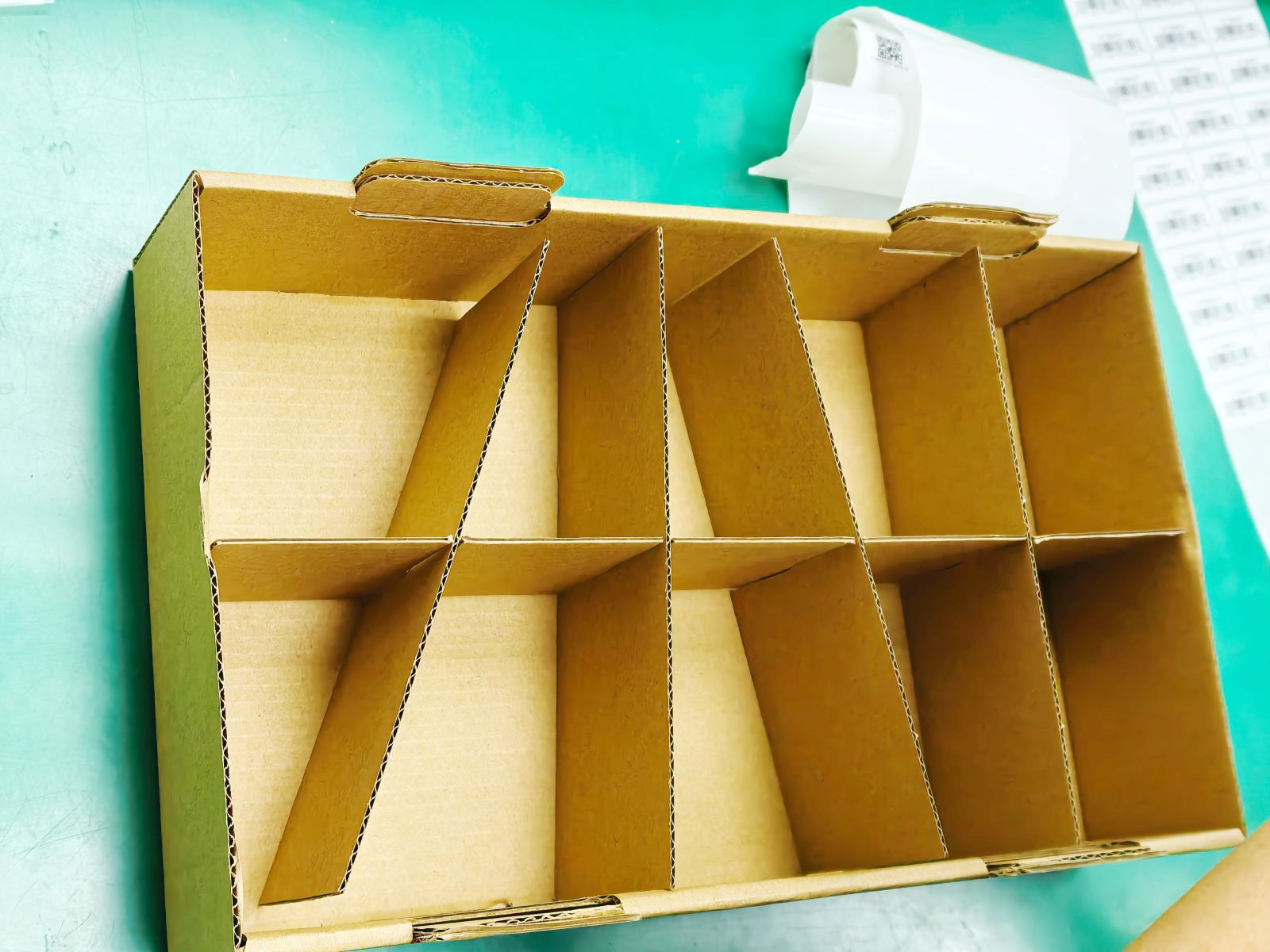
Packaging layout preparation before outbound watch packing.
Packaging layout preparation

Shows the packing structure itself being prepared so product presentation and outbound protection stay aligned.
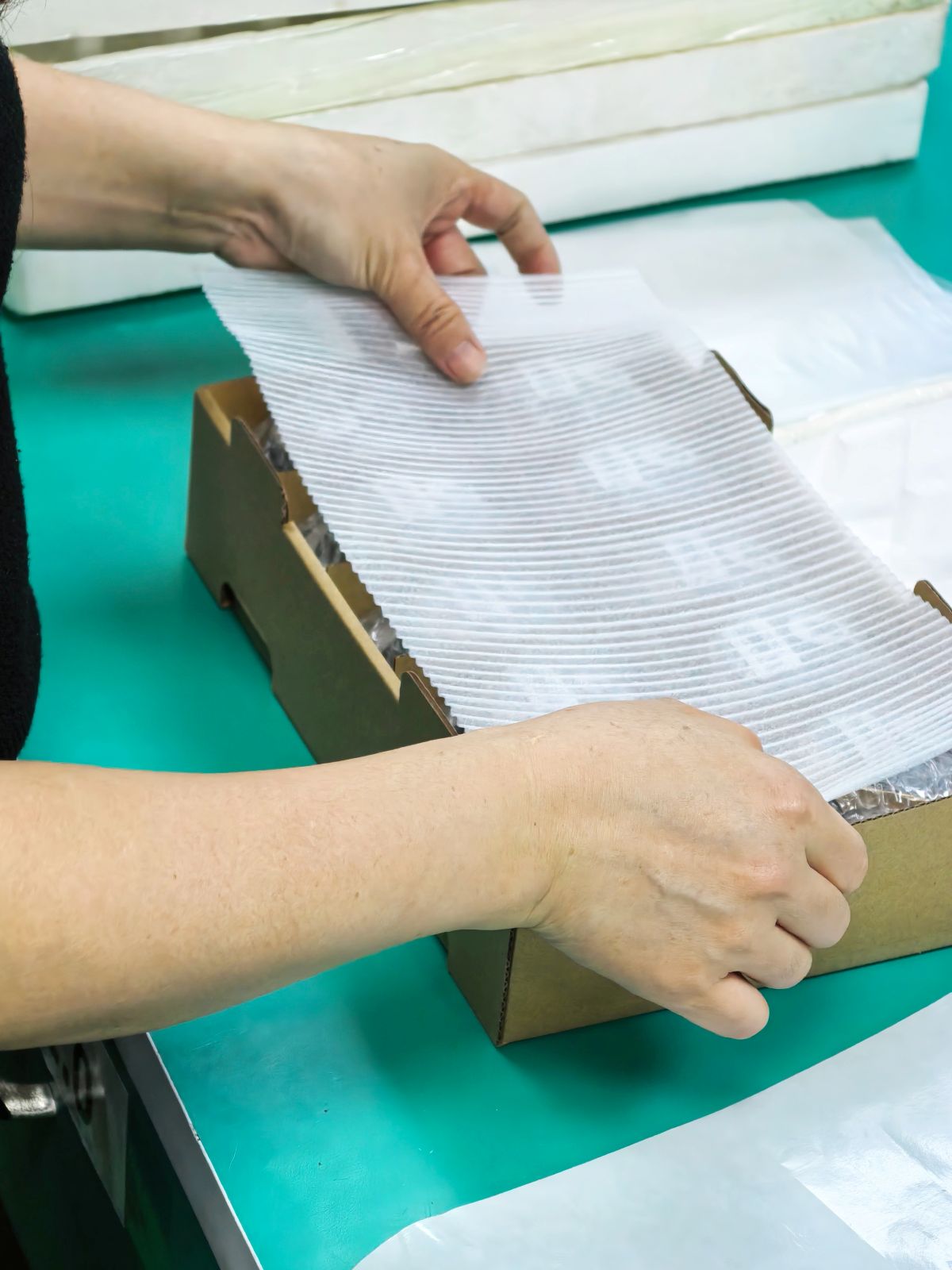
Protective wrap and packing control during watch shipment preparation.
Protective wrap and packing control

Used here to show the hands-on packing stage where protective materials are applied before shipment release.
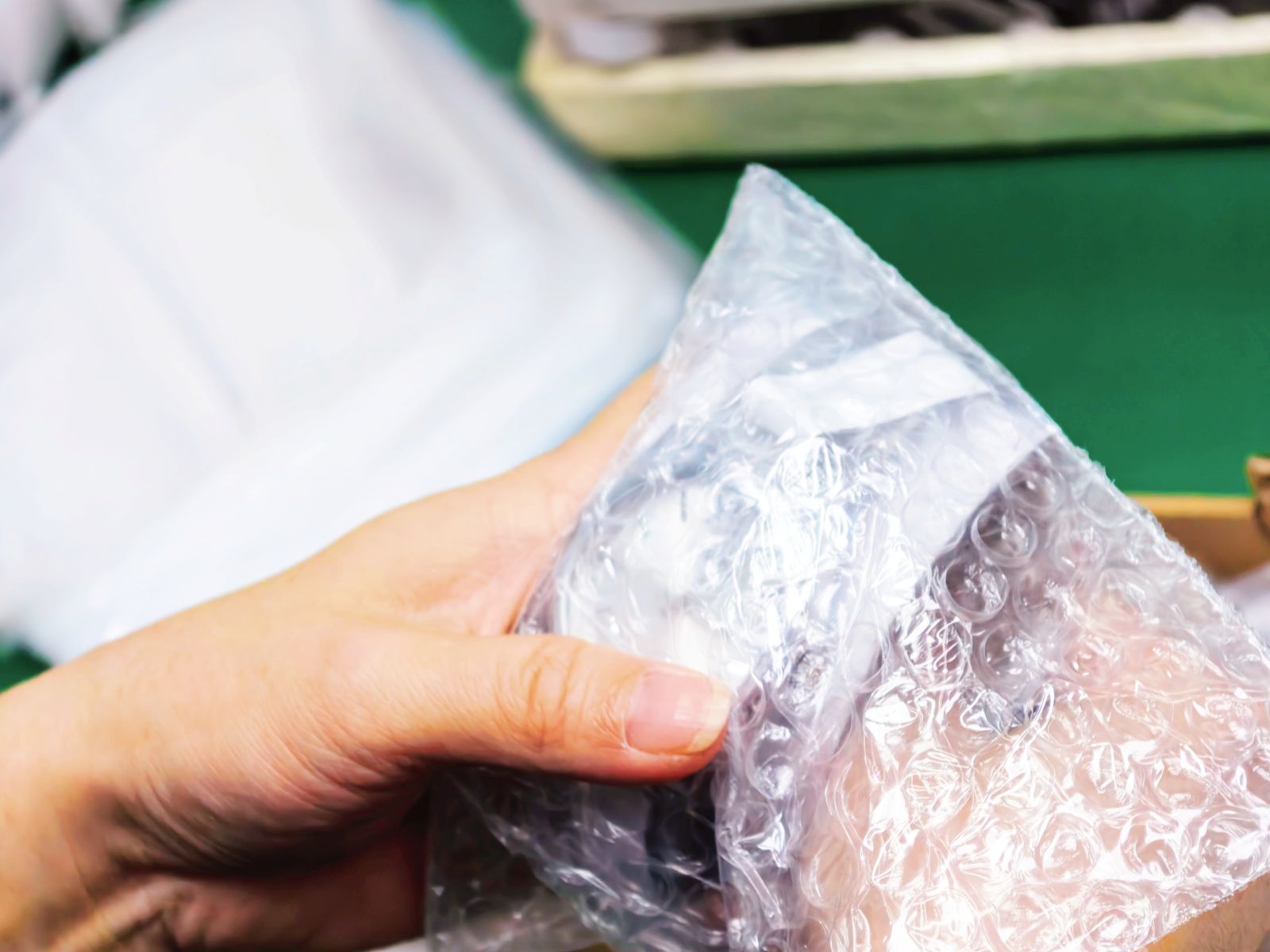
Bubble protection and outbound handling for packaged watches.
Bubble protection before outbound

Illustrates the final protective packing step that turns approved product into shipment-ready outbound handling.

Why buyers choose this route

Cleaner project control across design, QC, and packaging
Less friction between sample approval and shipment preparation
Better fit for brands that want a supplier path, not just a production quote
More repeatable workflow for follow-up production runs

FAQ

What is included in a one-stop watch design, production, and packaging workflow?
A one-stop workflow usually covers design refinement, component alignment, sampling, production, QC, packaging preparation, and delivery coordination within one managed supplier path.
What information helps align design, production, and packaging in one workflow?
A clear brief with target quantity, movement direction, branding scope, packaging expectations, timing, and references helps the factory align the product and the presentation system together from the start.
Does one-stop support reduce supplier coordination risk?
Usually yes. When design, QC, packaging, and production are coordinated through one workflow, buyers often face fewer gaps between technical decisions and final delivery details.
Can packaging be developed alongside sample approval?
Yes. Many projects benefit from planning packaging while the product sample is being reviewed, because brand presentation, inserts, manuals, and carton details affect the final delivery path.
Is one-stop workflow a good fit for first collections and repeat orders?
Yes. First collections often benefit from cleaner coordination, while repeat orders benefit from more stable control across QC, packaging, and shipment release.